Traditions & stories
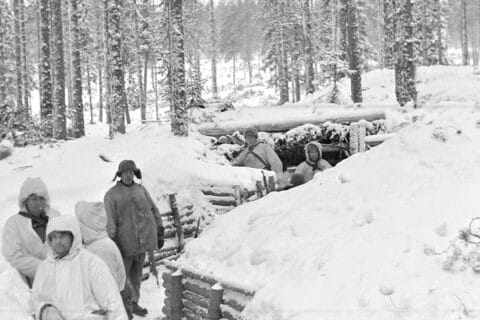
Kuhmo has a rich history and deep-rooted storytelling tradition that touches many areas of life. The epic poems gathered from the lands of Kalevala and the scars left by the Winter War speak to the region’s profound heritage and the hardships it has endured. Kuhmo’s culinary culture preserves time-honored traditions, while ancient Kalevala-inspired healing practices continue to pass down centuries-old wisdom.
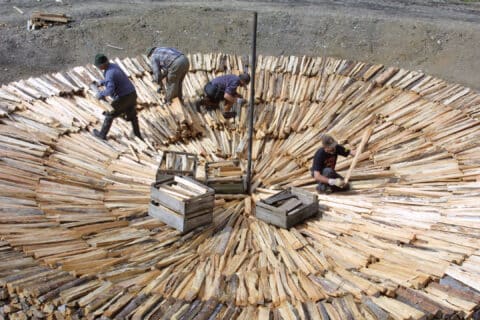
Among these traditions, one stands out as especially significant and still very much alive: tar burning—a livelihood that has long been a vital part of Kuhmo’s identity and whose craft is carefully preserved to this day.
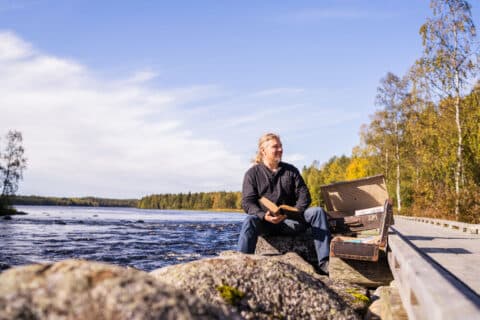
Kalevalaic Rune Singing
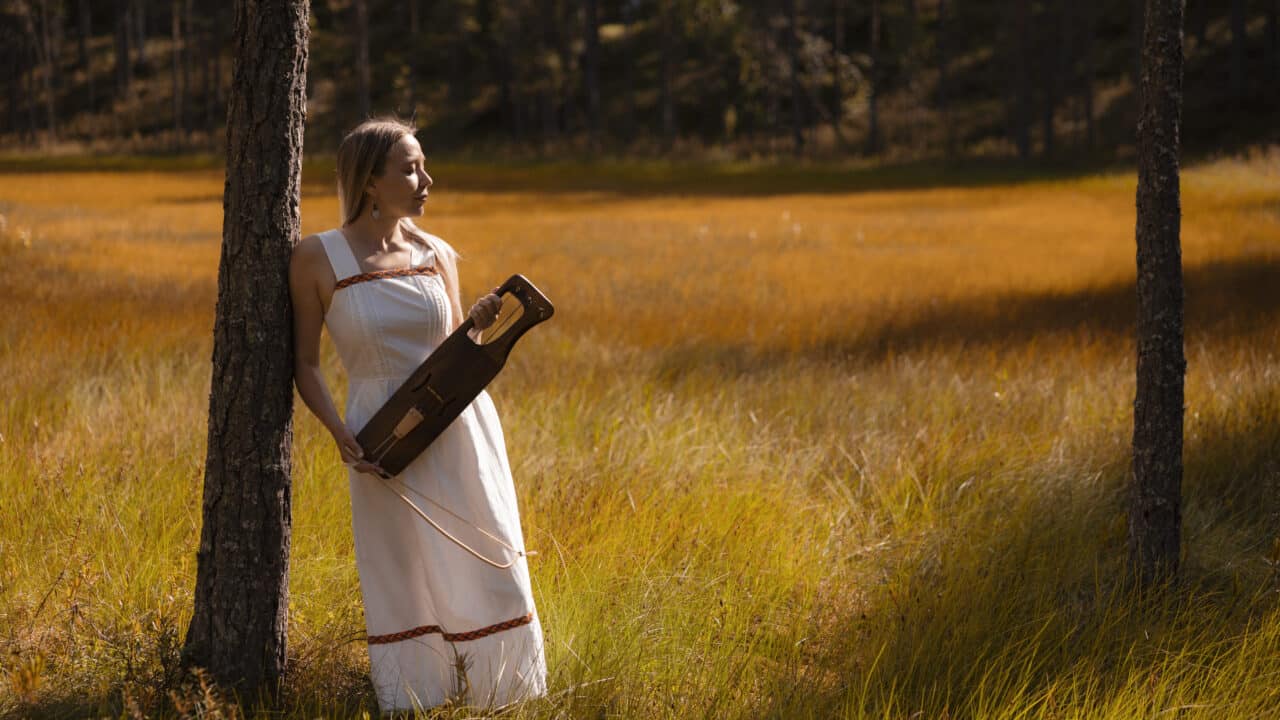
Rune singing, also known as Kalevalaic singing, is an ancient Finnish and Karelian oral singing tradition. It is the poetic tradition from which Elias Lönnrot drew both the form and much of the content for the Kalevala.
In the Viena Karelian village of Rimmi, located in Kuhmo, the tradition of rune singing remains a living part of the local cultural heritage. This unique tradition is also kept alive through the annual Sommelo folk music festival, which celebrates and promotes traditional music and singing.
Traditional Healing
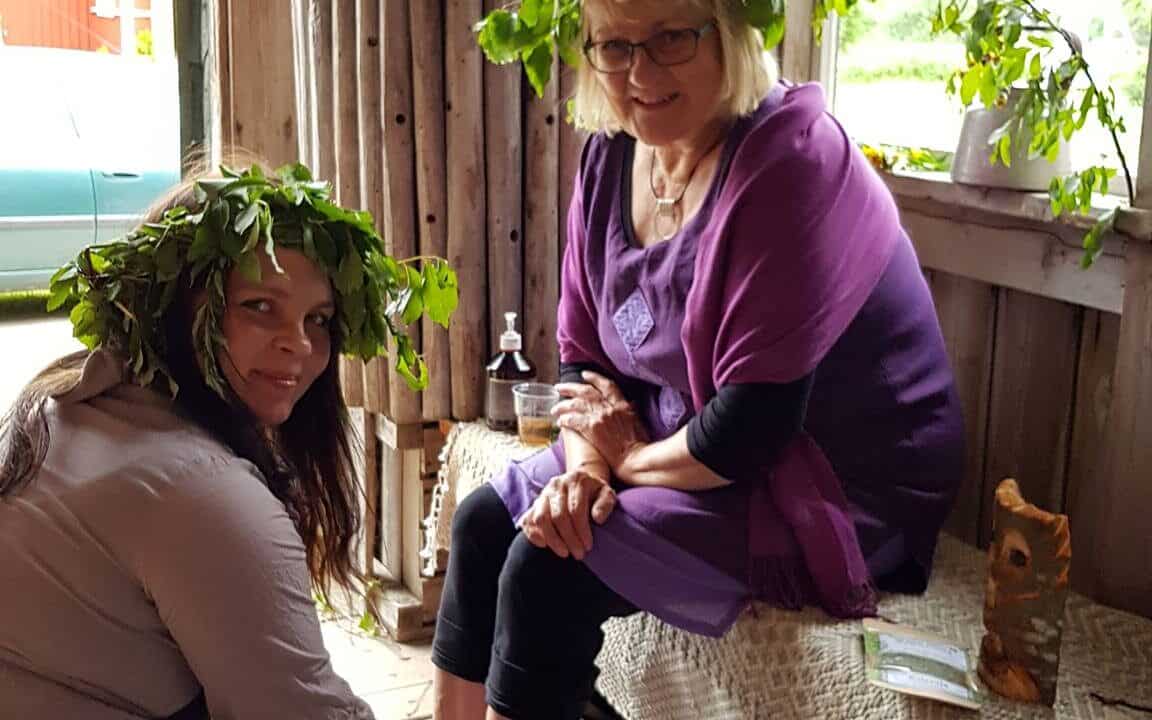
Kalevalaic traditional healing practices, including Kalevalaic bone setting, are centuries-old treatment methods that gently work with the body’s tissues by utilising the natural range of motion of the joints. The aim is to restore the body to its natural balance, allowing it to function without unnecessary tension or protective responses.
Traditionally, the skills of Kalevalaic bone setting were passed down within families through an apprenticeship-based learning tradition, with knowledge transferred from one generation to the next.
Today, the future of this unique healing tradition remains strong thanks to its active community of practitioners and those who continue to value and use these traditional methods.
Log Driving Heritage and Log Driving Championships
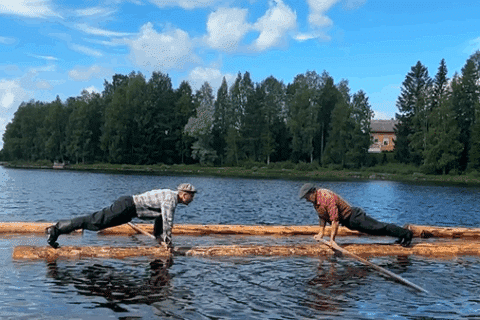
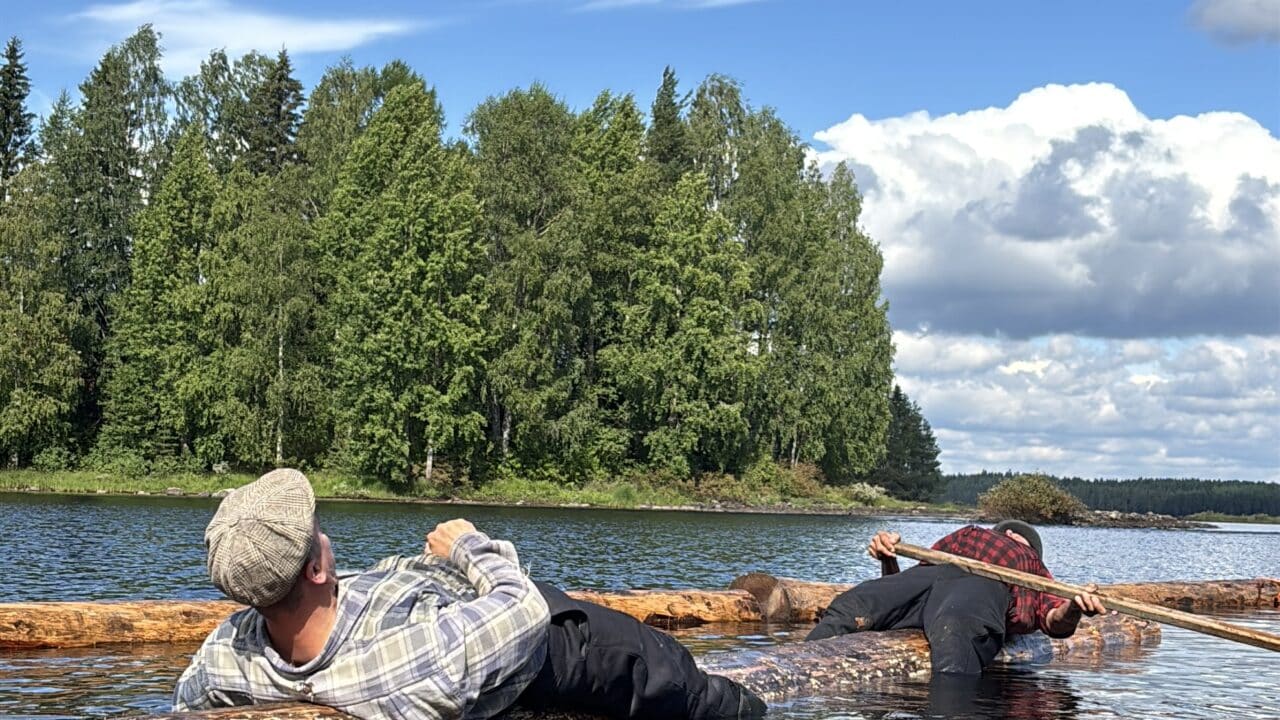
Kuhmo has a long history of timber floating and log driving, which once played a vital role in the local economy and way of life. Until the 1980s, logs were transported along waterways, requiring highly skilled log drivers. As timber transport methods changed, these traditional skills evolved from everyday work into a recreational activity and an important part of the region’s cultural heritage.
Although commercial log driving has ended, the tradition lives on through log driving competitions and demonstrations, where enthusiasts showcase the techniques and skills once essential for working on the rivers.
Kuhmo hosts Finland’s most important annual log driving heritage event. The programme includes traditional log driving demonstrations as well as the Finnish Log Driving Championships. In 2025, the event also featured a log driving camp for anyone interested in learning the traditional skills.
The aims of the competitions are to preserve the heritage of log driving, demonstrate the skills once required in the timber floating industry, and encourage participants to maintain their physical fitness. For many competitors, the greatest reward is not winning, but challenging themselves and keeping this unique tradition alive.